Library of Harms
Peer-reviewed research on the harms of ingredients in everyday cosmetics.
National Library of Medicine
Center for Biotechnology Information
The Dark Side of Beauty:
The Health Hazards and Toxicological Impact of
Synthetic Cosmetics
Alnuqaydan, A. (2024)
ABSTRACT
This 2024 review links three decades of
social media-driven cosmetic growth to cancer, endocrine disruption, neurological disorders, and reproductive toxicity. Chemicals like parabens, phthalates, heavy metals, and formaldehyde produce synergistic toxic effects that individual ingredient testing fails to capture. Most alarmingly, 65% of companies prioritize profit over safety, only 15% of products undergo pre-market carcinogenicity testing, and no consumer category falls under less government oversight than cosmetics.
10,000
Of more than 10,000 chemicals used to formulate cosmetics in the United States, just 11 have ever been banned or restricted by the FDA. Across Europe, regulators prohibit or restrict over 1700.
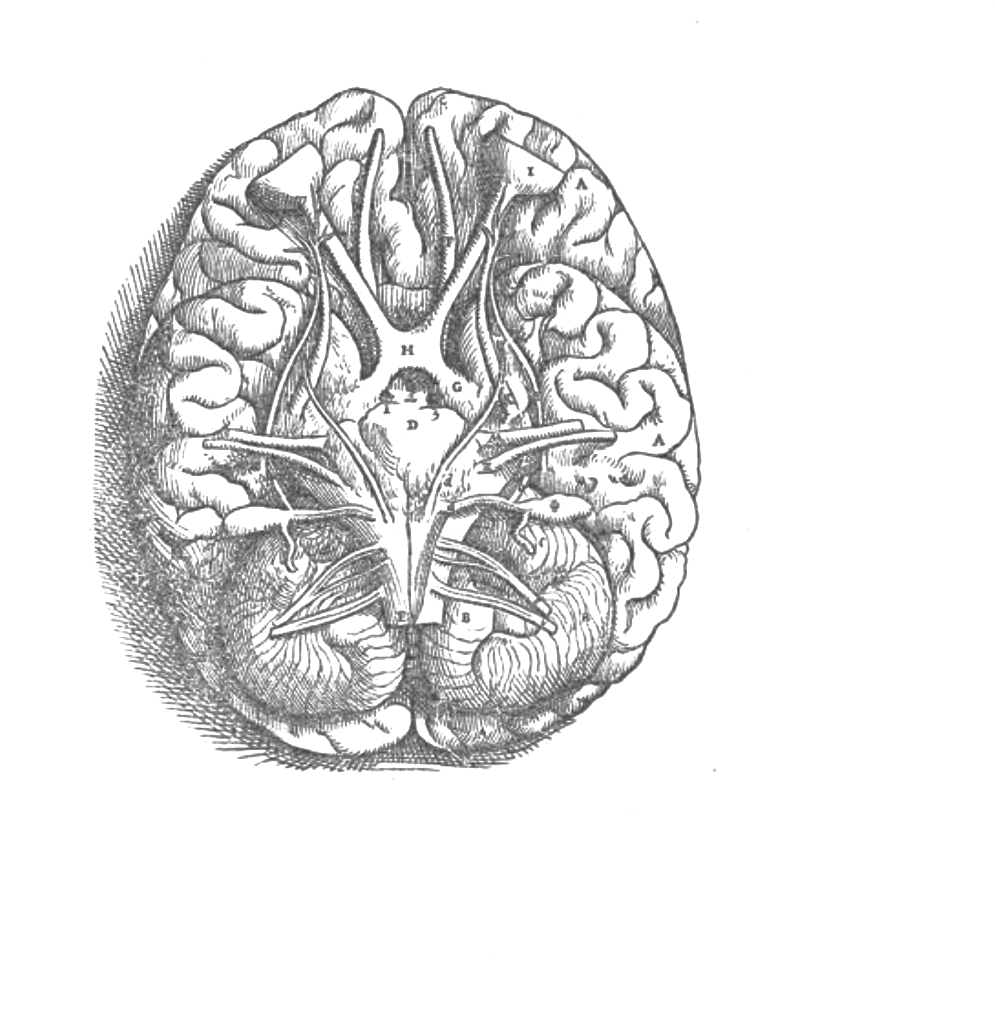
Developmental Toxicity
Developmental toxicity is harm caused to a growing body before or shortly after birth. Certain ingredients interfere with this critical window, and exposure during pregnancy has been linked to birth defects, developmental delays, and organ damage.
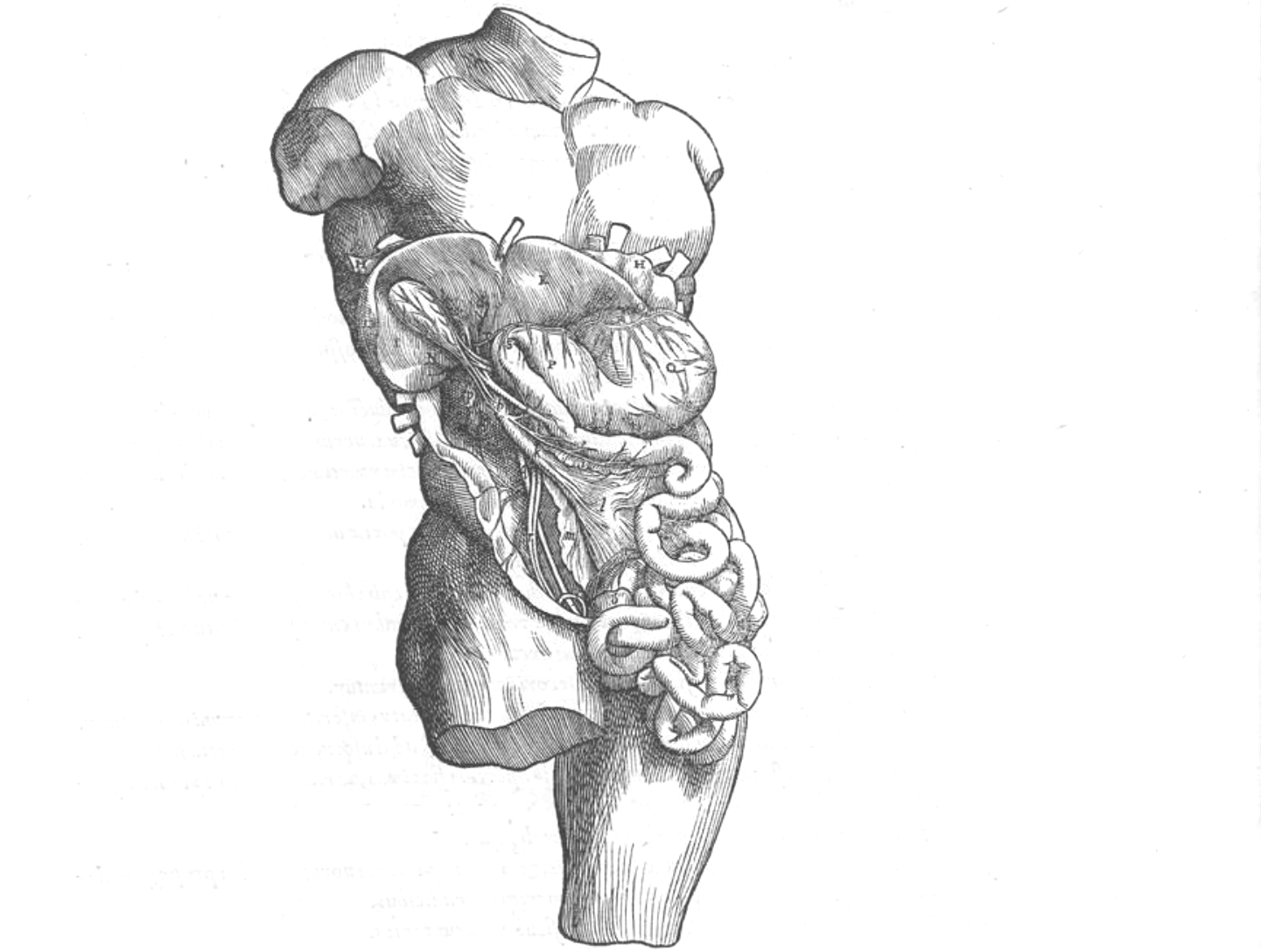
Organ Toxicity
Organ toxicity refers to damage caused to vital organs including the liver, kidneys and lungs. Certain ingredients accumulate in the body over time, gradually impairing how these organs function. Repeated exposure has been linked to chronic illness, organ failure and long-term systemic damage.
Harvard School of Public Health
Center for Biotechnology Information
Founding Document:
Endocrine Disrupting
Chemicals: An Endocrine
Society Scientific Statement
Diamanti-Kandarakis, E., et al. (2009)

ABSTRACT
This landmark 2009 Endocrine Society statement identifies EDCs, chemicals in everyday products that disrupt hormonal systems, as a significant public health concern, documenting their effects on reproduction, cancer, thyroid function, metabolism, and cardiovascular health. Key culprits include BPA, phthalates, pesticides and persistent organic pollutants, with reducing exposure during pregnancy and early childhood identified as an urgent priority.

Scientific Journal of Health
Laboratory of Environmental Ecotoxicology
Exposure to Multiple
Endocrine Disrupting
Chemicals and Associations
with Female Infertility
Wei, X. et al. (2024)
ABSTRACT
This study measured six categories of endocrine-disrupting chemicals (EDCs), including parabens, phthalates, and bisphenols, in the blood of 302 women
of reproductive age. Infertile women had significantly higher concentrations of several EDCs than fertile women, providing direct human evidence linking everyday chemical exposures to female infertility.

Ecotoxicology and Public Health
Environmental Science and Technology Letters
Forever Chemicals and Fluorinated Compounds in
North American Cosmetics
Whitehead et al. (2021)
ABSTRACT
This study tested 231 cosmetic products in
the U.S. and Canada and found PFAS widely present, with the highest levels in foundations, mascaras, and lip products. Most alarmingly, while more than half of products contained PFAS, less than 8% listed it on the label, leaving consumers with virtually no way of knowing what they were applying to their skin. The researchers concluded that the use of
any PFAS in cosmetics should be seriously questioned, findings significant enough to prompt the introduction of the bipartisan "No PFAS in Cosmetics Act" in the U.S. Senate.
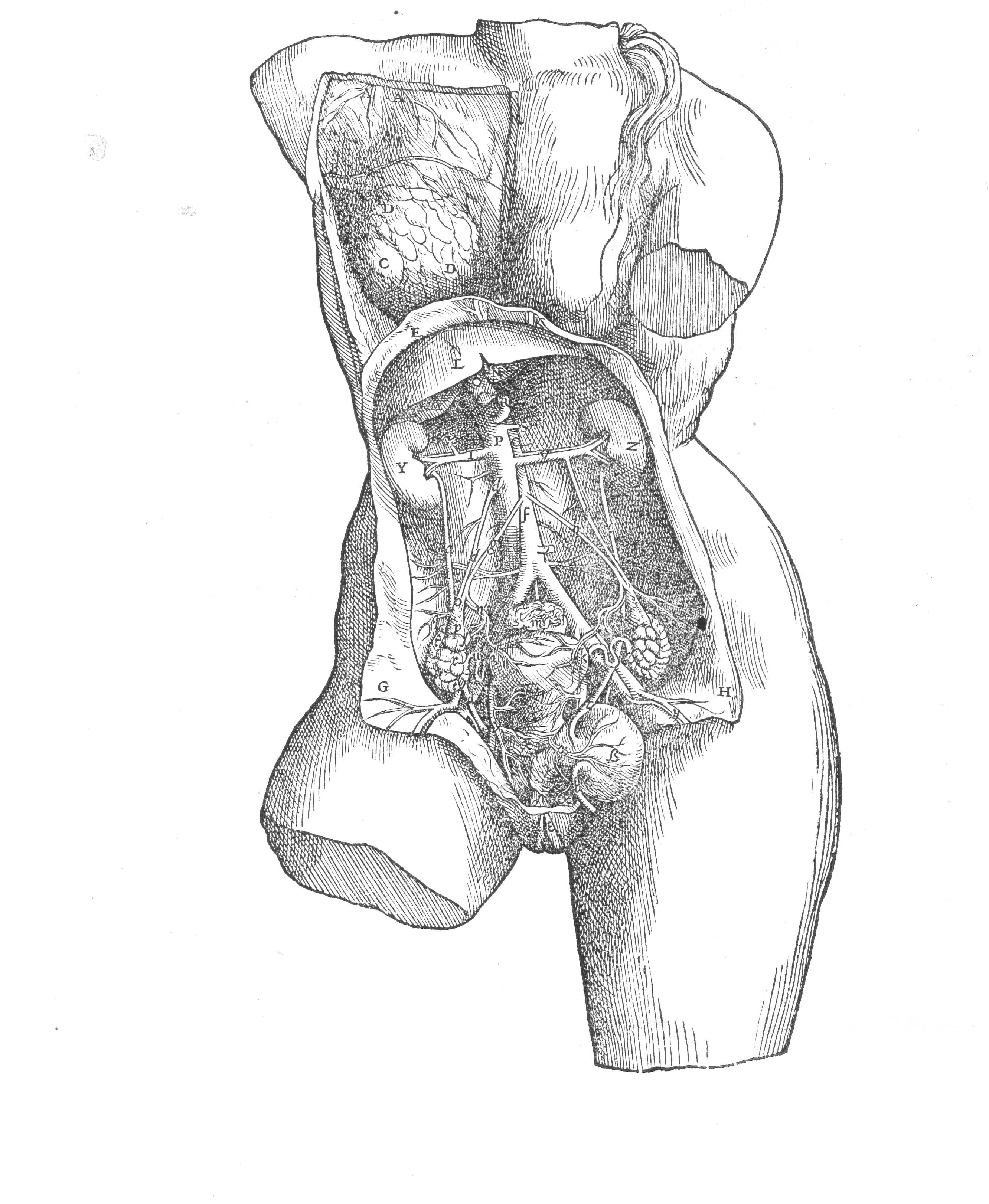
Endocrine Disruption
Endocrine disruptors are chemicals that interfere with the body’s hormonal system. Certain ingredients mimic or block natural hormones, throwing off the delicate balance that regulates growth, mood, and reproduction. Even low-level exposure has been linked to infertility, thyroid disorders, and hormone-driven cancers.
Frontier Scientific Journal of Environment
Health and Exposome
Microplastics & Human Health: Unraveling the Toxicological Pathways and Implications for Public Health
Zhang, X. et al. (2025)

ABSTRACT
This 2025 review finds that microplastics, including those in cosmetics, enter the
body through ingestion, inhalation, and
skin contact, and have been detected in
placentas, breast milk, blood, and major organs. Once inside, they trigger oxidative stress, inflammation, and DNA damage, and have been linked to neurodegeneration including Parkinson's, Alzheimer's, and Huntington's disease. Most concerning, microplastics act as carriers for heavy metals, pollutants, and pathogens, synergistically amplifying their toxic effects.
Immunotoxicity
Immunotoxicity refers to damage caused
to the body’s immune system. Certain ingredients weaken the immune response while others act as allergens, repeatedly triggering reactions that dysregulate the system over time. Prolonged exposure has been linked to increased allergy sensitivity, autoimmune conditions, and reduced resistance to illness.
Harvard School of Public Health
Center for Biotechnology Information
Endocrine Disruptor Chemicals Exposure and Female Fertility Decline: From Pathophysiology
to Epigenetic Risks
Tricotteaux-Zarqaoui S., et. al. (2024)
ABSTRACT
Endocrine-disrupting chemicals (EDCs) are now virtually impossible to avoid, with women particularly vulnerable due to higher use of cosmetic products. This review shows that EDC exposure impairs female fertility through multiple pathways, including accelerated ovarian aging, reduced egg quality, disrupted ovulation, and increased risk of endometriosis. EDCs can cause epigenetic changes that affect not just the exposed individual but potentially future generations.
45%
When adolescent girls stopped using personal care products containing endocrine-disrupting chemicals, concentrations of those chemicals in their urine dropped by as much as 45%. Studies also found significantly higher phthalate and chemical exposure among adolescent girls who wore foundation, blush, and mascara compared to those who did not.
University of California
Department of OB/GYN and Reproductive Sciences
Reduction of Daily Parabens
and Phthalates Reverses Accumulation of Cancer Associated Phenotypes within Disease-Free Breast Tissue
Dairkee et al. (2023)
ABSTRACT
Many everyday personal care products
contain chemicals called parabens and phthalates, which can mimic estrogen in the body. This study found that when women switched to products free of these chemicals, several molecular changes in healthy breast tissue linked to cancer risk were actually reversed. The findings suggest that making simple swaps in personal care products could be a meaningful step in lowering breast cancer risk.
College of Natural and Health Sciences
Environmental Toxicology
A Narrative Review: The Impact of Perfumes and Consumer Products on Human Health
Alblooshi S. (2025)

ABSTRACT
This 2025 narrative review links cosmetics
to impaired fertility, respiratory harm, cancer, endocrine disruption, and neurological effects. Chemicals like parabens, phthalates, and heavy metals accumulate in the body through dermal and inhalation exposure, with heightened risk during gestation. The authors conclude that stricter oversight, greater ingredient transparency, and further research are urgently needed, as regulations vary widely across countries and cumulative exposure effects remain poorly understood.
Neurotoxins
Neurotoxins are substances that interfere with the brain and nervous system’s ability
to function. Certain ingredients cross
the blood-brain barrier, disrupting communication between cells. Exposure has been linked to cognitive decline, memory impairment and neurological disorders over time.
Biochemical & Cellular Changes
Biochemical and cellular toxicity refers to damage occurring at the most fundamental level of the body. Certain ingredients disrupt normal cell function, interfering with DNA, protein production, and cellular communication. Over time this can contribute to mutation, inflammation, and the conditions that precede chronic disease.
340
Endocrine disrupting chemical exposure costs the US economy $340 billion annually driven largely by IQ loss and intellectual disability. The EU bears $217 billion annually. The difference is directly linked to stricter EU chemical regulations.

Scientific Journal of Environmental Toxicology and Chemistry
Per- and Polyfluoroalkyl Substance Toxicity and Human Health Review: Current State of Knowledge
Marrugo-Padilla, A., et. al. (2024)
ABSTRACT
This 2021 review by scientists from the NIH, EPA, and Imperial College London finds that PFAS exposure is linked to altered immune and thyroid function, liver disease, lipid and insulin dysregulation, kidney disease, adverse reproductive outcomes and cancer. Most alarmingly, PFAS reliably move across the placenta and enter breast milk, putting infants at heightened risk. The authors warn that risk assessments exist for only a handful of PFAS, while hundreds more found in cosmetics and consumer products remain completely unstudied.
University of Eastern Finland
Faculty of Health Sciences
Involvement of Per and Polyfluoralkyl Compounds in Tumour Development
Pesonen M. and Vahakangas, K. (2024)
ABSTRACT
PFAS ("forever chemicals") are detected in the blood of most people globally and have been linked to elevated risks of liver, kidney,
testicular, and breast cancer in population studies. They act primarily by disrupting key hormone receptors, lipid metabolism, and epigenetic pathways, with some PFAS also showing estrogenic properties that can stimulate breast cell proliferation. Early-life exposure is of particular concern, as hormonal disruptions may persist across generations.
National Institute of Health Sciences
American Journal of Obstetrics & Gynecology
The Environmental Injustice of Beauty: Framing Chemical Exposures from Beauty Products as Health Disparities Concern
Zota, A. and Shamasunder, B. (2017)
ABSTRACT
Beauty products containing phthalates,
heavy metals, and other harmful chemicals disproportionately burden women of color, who carry measurably higher chemical body burdens than white women regardless of socioeconomic status. Racialized marketing drives heavier product use among Black, Latina, and Asian American women, with one study finding that frequent douching alone was linked to 150% higher levels of the harmful chemical DEP. The authors call for stronger labeling, safety policies, and reproductive health counseling to address
the "environmental injustice of beauty."
70%
A 2024 peer-reviewed study found paraben concentrations 70% higher and phthalate metabolites 3.2x higher in the blood of infertile women compared to fertile women. Parabens and phthalates are routinely found in cosmetics.